



When you log in to Microsoft 365 portal for the first time, you may want to change some settings to personalize the user experience. If the portal displays text in the non-native language, this perhaps will be the first thing you would like to adjust – changing the language.
Change language in Microsoft 365 portal
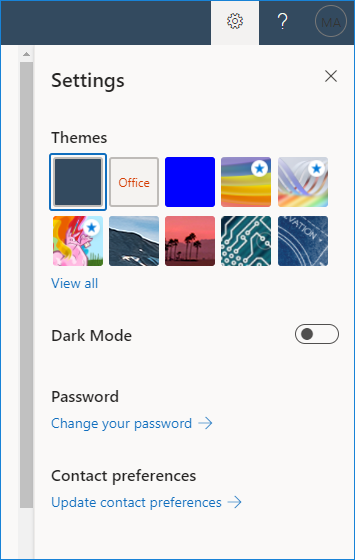
One of the settings that you may want to modify is changing the language in Microsoft 365 portal. The trick is, however, that you will not find any button that would help you adjust the language settings (see the screenshot below):
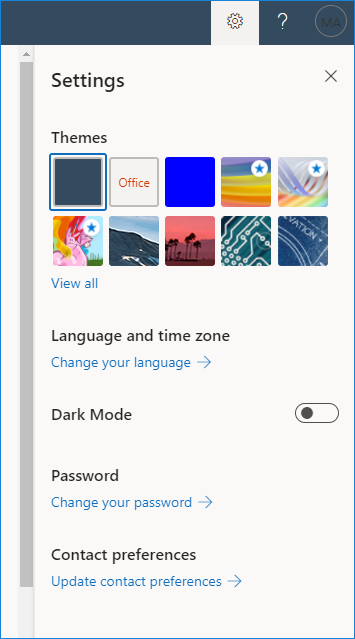
After a quick Google search, you will find out that the Language and time zone button should appear in the Settings as shown in the following screenshot:
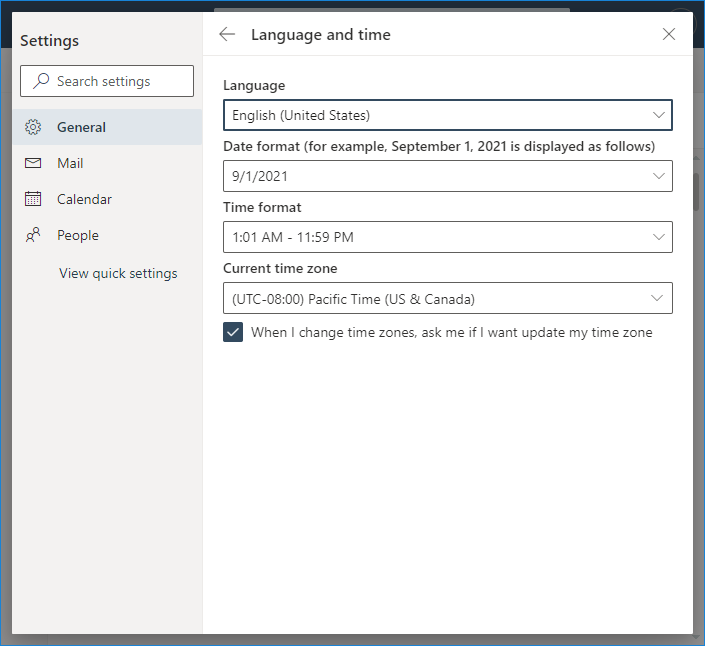
Or in Settings > General > Language and time:
So why there is no such a button in your Microsoft 365 portal? The most common reason is that there is a hybrid environment configured in your company, and you are not allowed to change the language settings on your own. If that’s true for you, there is one method you might try to fix this.
Change your web browser’s language
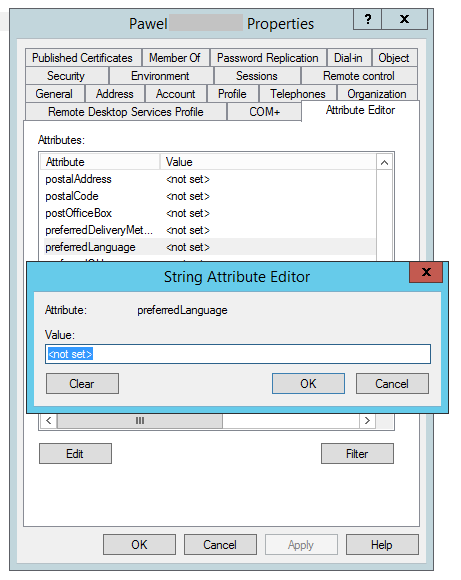
The language of your Microsoft 365 portal and Microsoft 365 Apps in hybrid environments is controlled by the preferredLanguage parameter in local AD. In many cases, this parameter doesn’t have a value (it shows as <not set>). If so, the portal’s language depends on your browser settings, making it extremely easy to fix the language issue on your own, without the need to open a ticket with your IT.
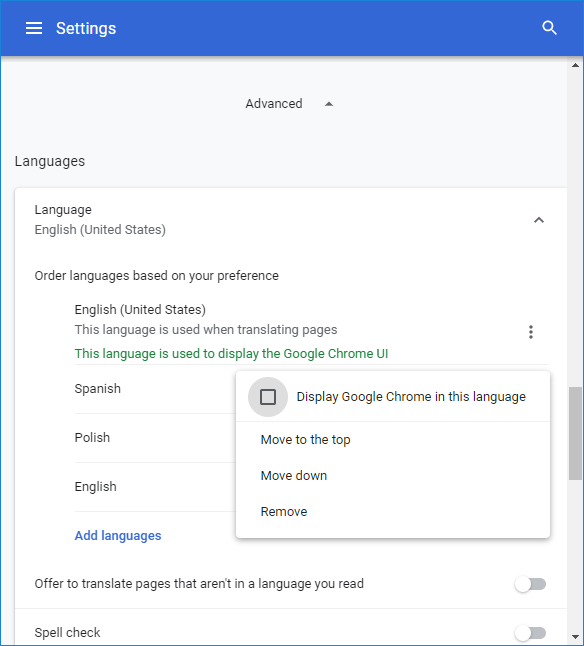
For example, if you’re using Google Chrome, go to Settings > Advanced > Language and click the down arrow next to Language:
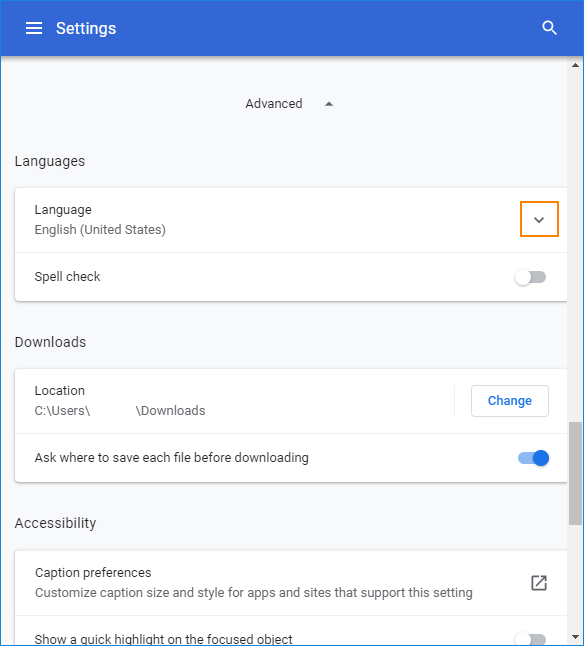
Now, either use the add languages button to add a new language or click the three dots next to a language that already has been added to the list. Select the Display Google Chrome in this language checkbox (or its equivalent in another language).
When you restart the browser, your Microsoft 365 portal should be in the language of your choice:
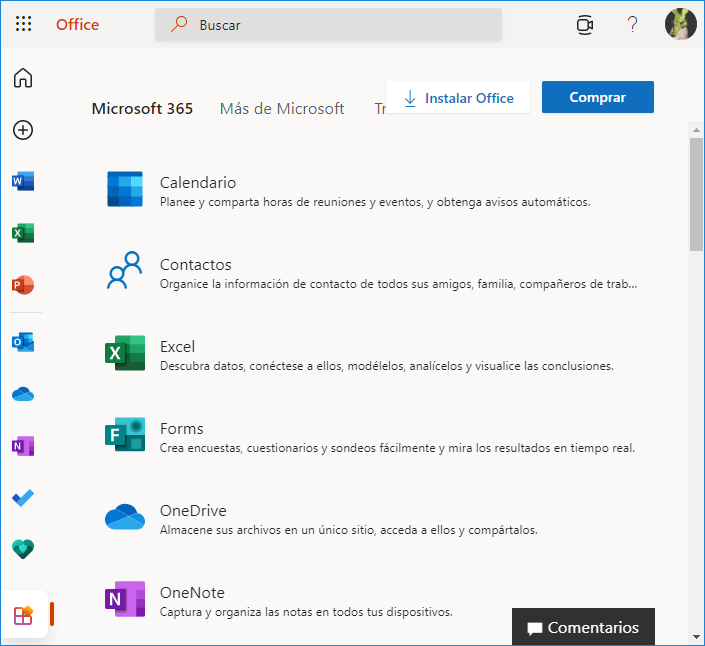
If not, you need to contact your Microsoft 365 admin to change the language.
Change language in Microsoft 365 portal in hybrid environment
If you are a user who is a part of hybrid deployment, and the preferredLanguage attribute does have a value, you will not be able to change the language settings by yourself. This is because the settings in Microsoft 365 are simply synchronized from local Active Directory. This task is handled by administrators via the Microsoft Entra Connect (Azure Active Directory Connect) tool.

Having this in mind, you need to ask an administrator in your company to change the language settings in Microsoft 365 portal.
The administrator makes a change by setting up a language code in the preferredLanguage attribute for the selected user in Active Directory:
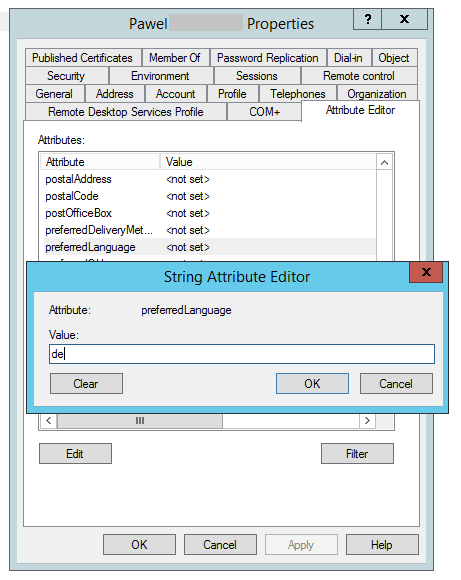
For example, if the administrator provides the de value for the preferredLanguage attribute in the String Attribute Editor – the language in Microsoft 365 portal will change to German, and when they set up en-GB – the language will switch to English (United Kingdom). Changing the attribute’s value to <not set> will allow users to control the language of Microsoft 365 portal by using the web browser’s settings.
Click here to view the complete list of Microsoft 365 language IDs.
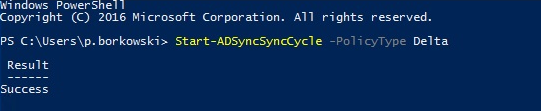
After adjusting language settings, you need to wait 30 minutes for changes to take effect. If you don’t want to wait, the administrator can also force the synchronization with Microsoft 365 by running this cmdlet on the server with Microsoft Entra Connect:
Start-ADSyncSyncCycle –PolicyType Delta
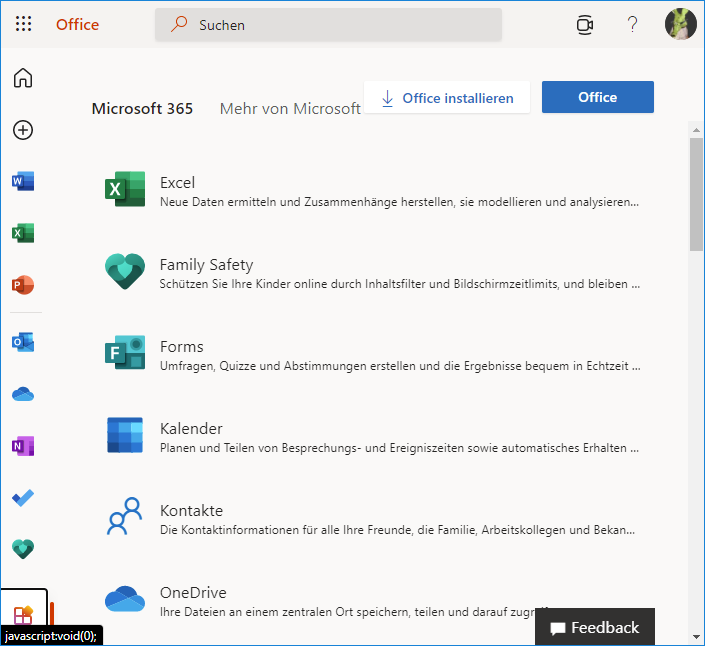
When you log in to your Microsoft 365 365 portal again, you should already notice that everything is displayed in the new language:
If you need to change your Microsoft 365 portal language again, simply follow the steps above.
See also:

Recommended articles


Still working 2022! Many thanks!
You’re very welcome!
Hi, a great explanation above, however, if you have an organization working in several countries in a hybrid (synced from local AD) environment and still would like to give the user the opportunity to choose a language is that a possibility?
Basically I understand how to change the language locally and then sync. However that just changes the language from 1 to another where we need several. We would need a way to have the user choose him/herself which language to use which seems to be impossible.
The easiest way to achieve what you need is to delete the language parameter from local AD and wait fot the changes to sync to Microsoft 365. This way, the language can be controlled using the browsers settings. Then, users can use different browsers to have different language settings available at all times.
Hi,
Thank you! how about the timezone settings for AD synced accounts?
Hi Aysan,
Timezone settings are not set in Active Directory but on a user’s machine or in Microsoft 365 account directly.
The easiest way to change it in Microsoft 365 would be for the administrator to use the Set-MailboxRegionalConfiguration cmdlet.
Great articole. Many thanks. It helped me a lot.
Does anyone know what are the supported languages for O365 interface? like a table of them.
Thanks for the above instructions it really helps.
In this archive article, you can find a list of values accepted by the preferredLanguage attribute, although I cannot guarantee all of them are supported in Office 365. I have not come across such a list published anywhere. As for a workaround, you could start an Office 365 trial, and go to My account > Settings > Lanugage for a dropdown list of all available languages.
Thanks for the list, I tried cy-GB as for Welsh but didn’t work it was only a guess.
Sorry, but it seems that Welsh is not supported, as it is not even listed in Office 365 language settings. Had it been an option, cy or cy-GB would be a correct language code.
Thanks, is time zone similar?
Hi John,
Time zone is a bit different – it is not set to Active Directory but to a user’s machine or to Office 365 account directly. The easiest way to change it in Office 365 would be for the administrator to use the Set-MailboxRegionalConfiguration cmdlet.