How to export an email message to the MSG and EML format
Problem:
You would like to save an email as an .msg or .eml file.
Solution:
In this article, you will find out about the most common email formats and learn how to export your messages.
- About email file formats
- How to save a message as an .msg file in:
- How to save a message as an .eml file in:
About email file formats
MSG is a proprietary file format used by Microsoft to store individual email messages and other single items (tasks, meetings, appointments, contacts, etc.) outside of Outlook. This format is compatible with any version of Outlook for Windows and with Outlook on the web (OWA).
EML is a standard used by a variety of email clients. This format is similar to a text file, and you can open it in any text editor (such as Notepad). This allows you to convert a .txt file into an .eml file if your email client does not export emails directly into .eml. You can use this format to export emails in Office 365 or many other email clients, for example, Gmail.
How to save a message as an .msg file
Classic Outlook for Windows
This short video shows how to save an email to a file in the classic Outlook for Windows:
There are two ways to save an email as an .msg file if you're using the classic version of Outlook for Windows:
- On the message list, select an email and drop it to a local folder or desktop. A new MSG file will be created (Fig. 1.).
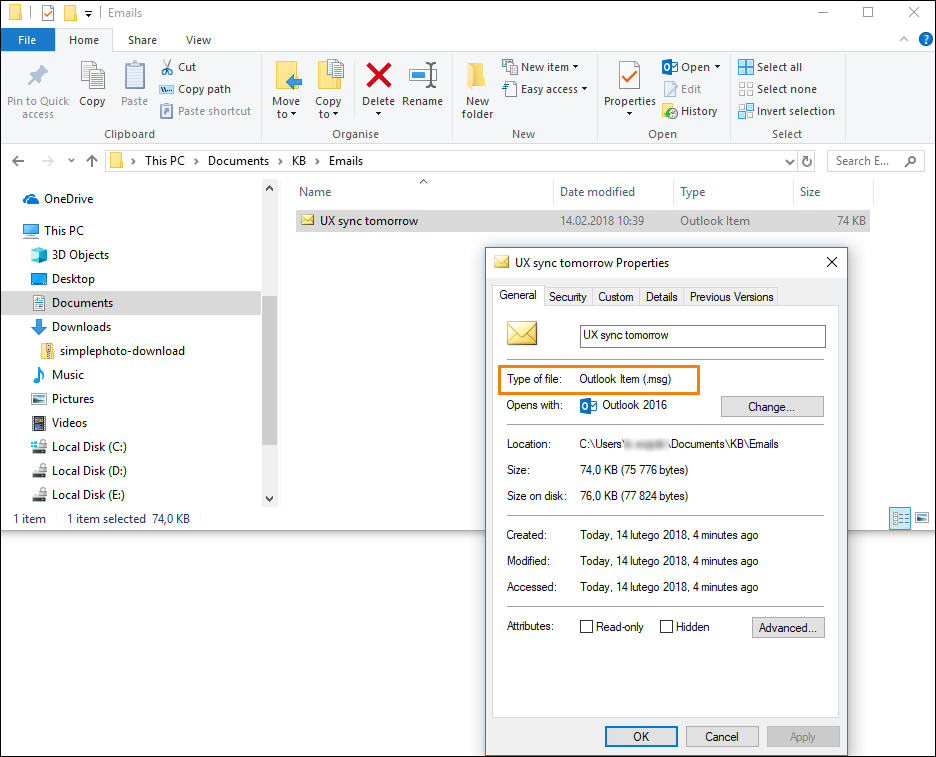
Fig. 1. An email saved on a local drive in an .msg format.
or
- As shown in the video above. Select an email on the message list, click the File menu and choose the Save As option. The Save As dialog box will open. Point to the desired folder and choose Outlook message format or Outlook message format - Unicode from the file type drop-down menu (Fig. 2.).
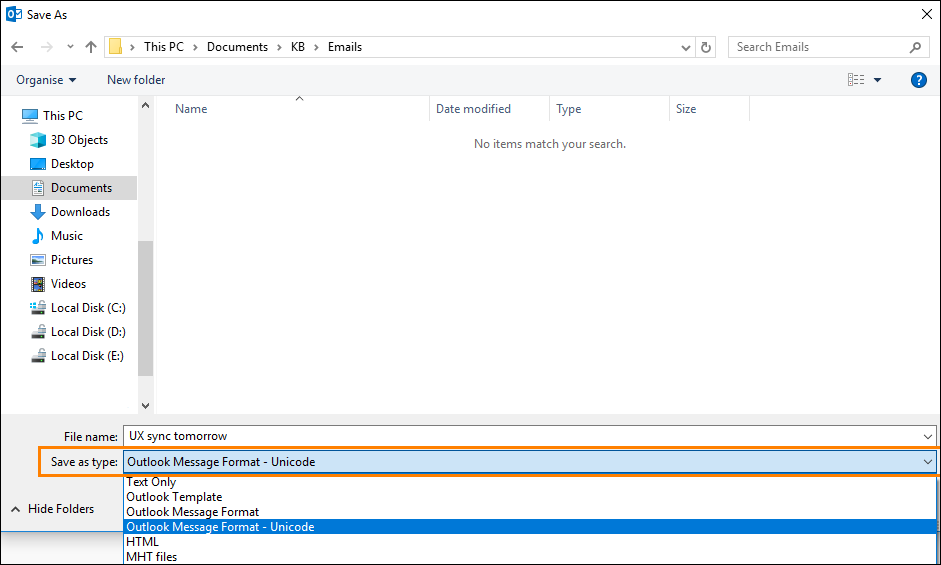
Fig. 2. Choosing a file format for the exported email.
Info
The current versions of the classic Outlook for Windows don't have an option to save an email as an .eml file. Refer to the section below to learn how to do this in other Outlook versions or Gmail.
Alternatively, if your mailbox is on Exchange, you can use a third-party tool such as MFCMAPI to export emails to .eml. Learn how to import or export mailbox items via MFCMAPI
New Outlook for Windows and Outlook on the web (Microsoft 365)
To export an email to the MSG format in the new Outlook for Windows or Outlook on the web (OWA), right-click the email on the message list and select Save as > Save as MSG (in the new Outlook) or Download > Download as MSG (in OWA), as shown in Fig. 3. You will be able to save the .msg file on your local drive.
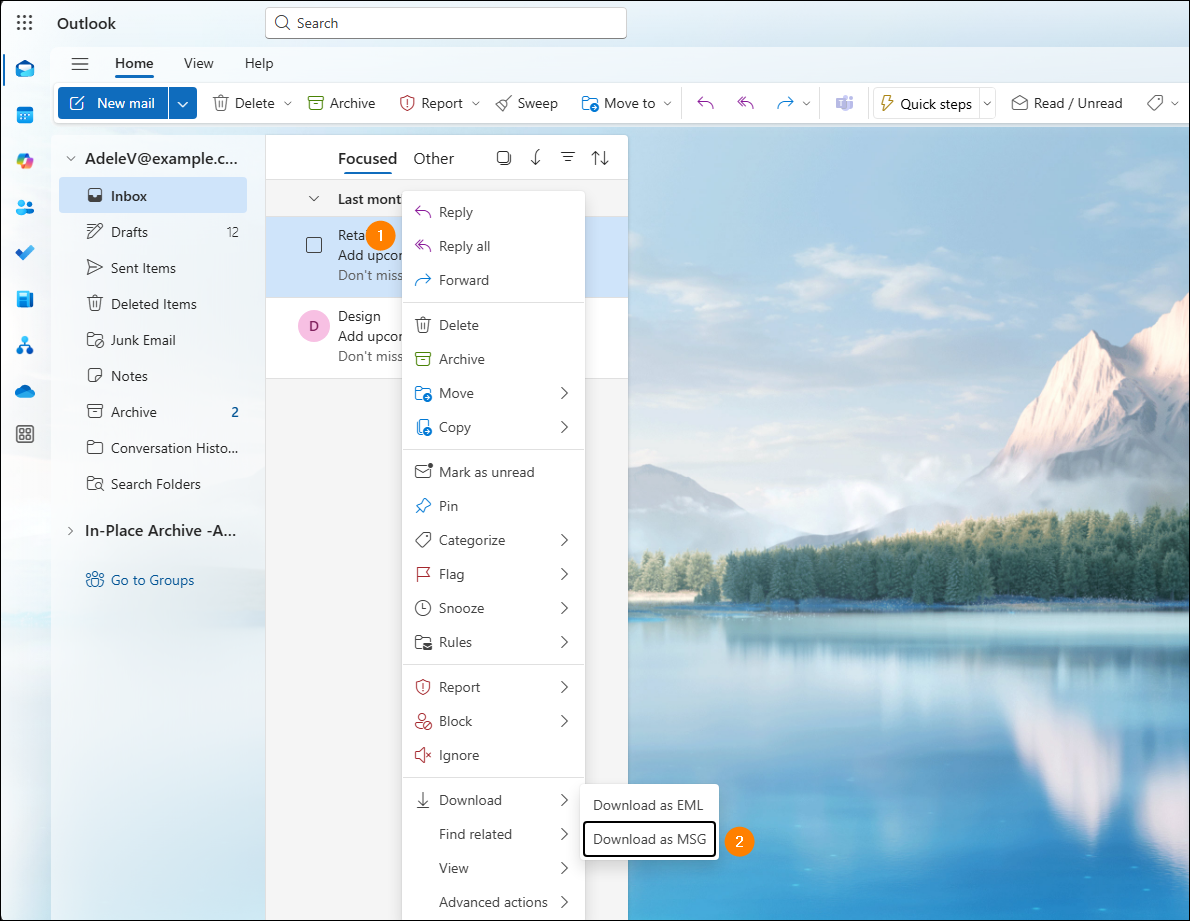
Fig. 3. Downloading a message in the MSG format from Outlook on the web (OWA).
Alternatively, you can click the email to open it, then click the ellipsis (three dots) icon in the top right corner and select Save as > Save as MSG (Fig. 4.) or Download > Download as MSG to save the .msg file.
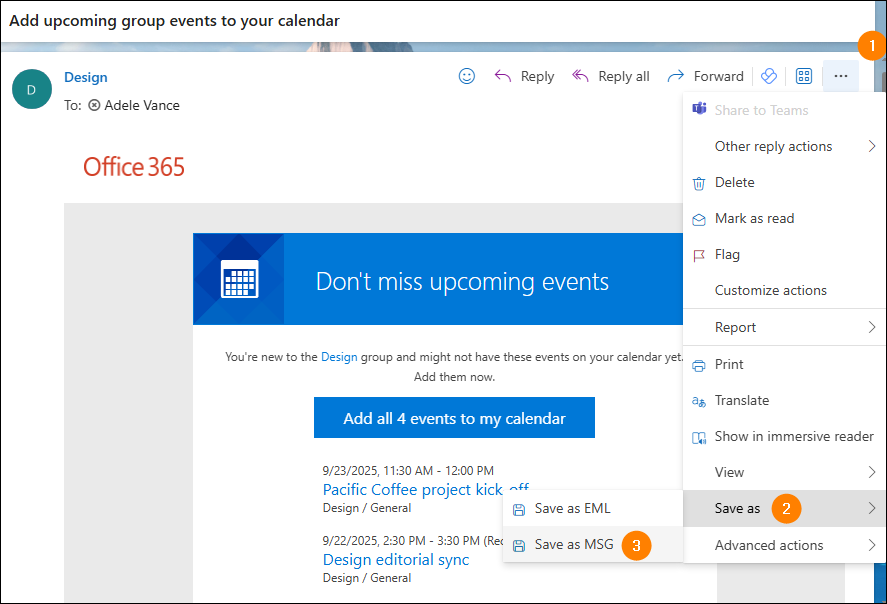
Fig. 4. Saving a message in the MSG format in the new Outlook for Windows.
How to save a message as an .eml file
New Outlook for Windows and Outlook on the web (Microsoft 365)
Important
Keep in mind that .eml files saved from the new Outlook for Windows or Outlook on the web (OWA) using one of the methods below won't include the original message headers. If you want to preserve the original headers (e.g., for diagnostic purposes), export the message as an .msg file or use this method instead.
To export an email to the EML format in the new Outlook for Windows or Outlook on the web (OWA), right-click the email on the message list and select Save as > Save as EML (in the new Outlook) or Download > Download as EML (in OWA), as shown in Fig. 5. You will be able to save the .eml file on your local drive.
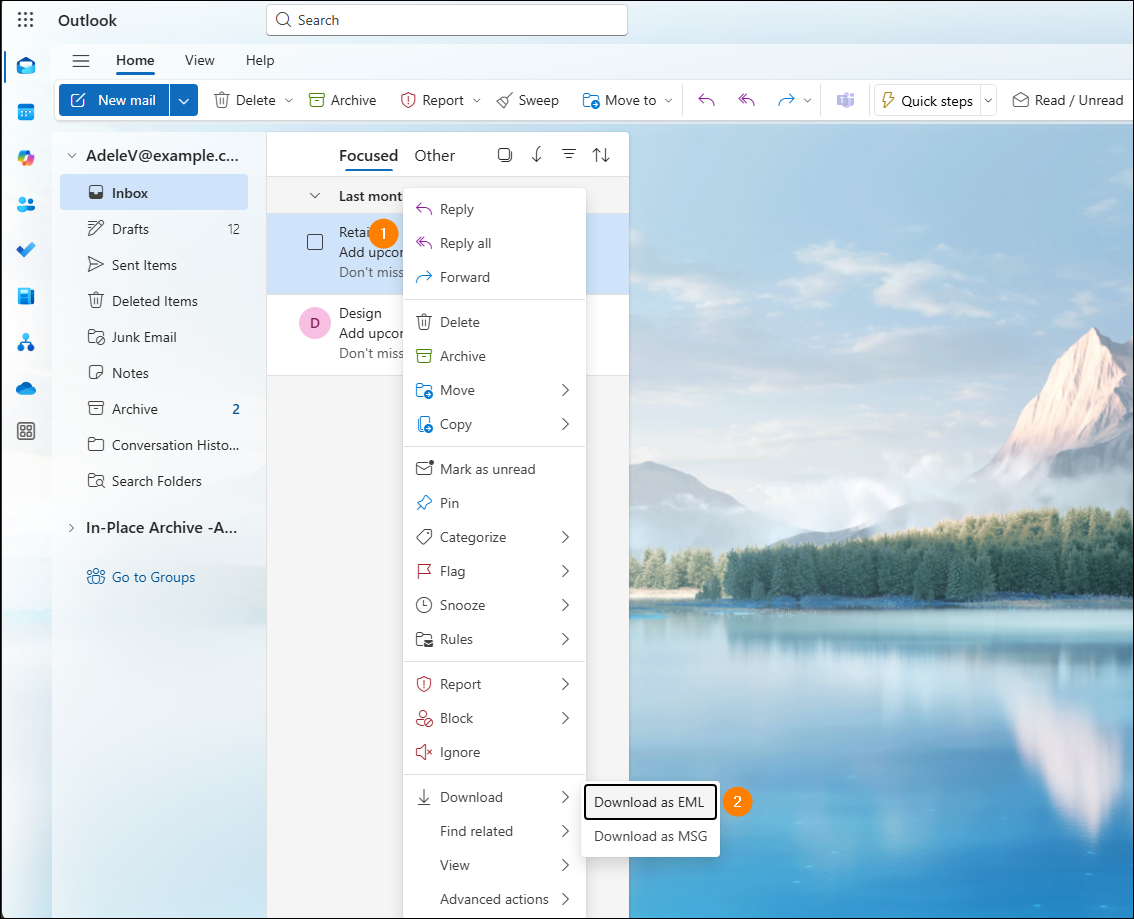
Fig. 5. Downloading a message in the EML format from Outlook on the web (OWA).
Alternatively, you can click the email to open it, then click the ellipsis (three dots) icon in the top right corner and select Save as > Save as EML (Fig. 6.) or Download > Download as EML to save the .eml file.
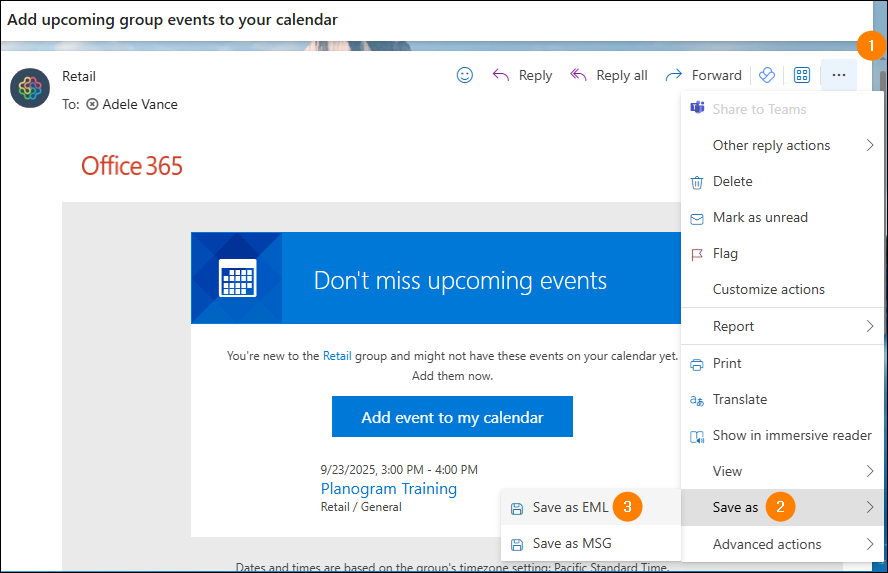
Fig. 6. Saving a message in the EML format in the new Outlook for Windows.
Outlook for Mac
The video below shows how to save an email to an EML file in Outlook for Mac:
In short: on the Outlook’s message list, select an email and drag & drop it to a local folder or desktop. A new EML file will be created (Fig. 7.).
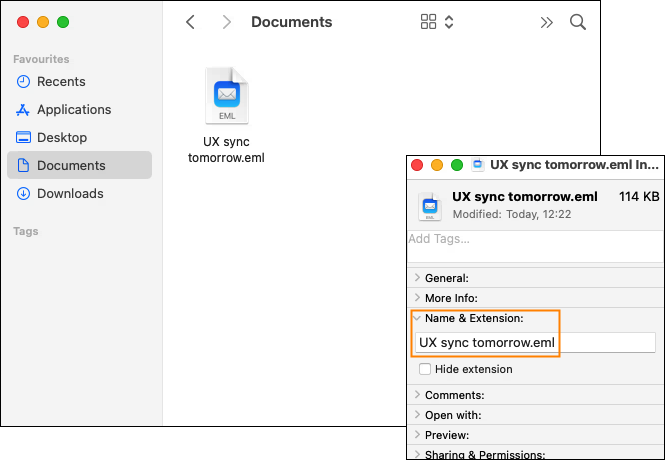
Fig. 7. An email saved in the EML format in MacOS.
Outlook for Android/iOS
In Outlook for Android/iOS, you can export a message to the EML format by adding it as an attachment to another message. Here’s how you can do it:
- Create a new email in Outlook for Android/iOS.
- Tap the attachment (paperclip) icon and select Choose from emails (on Android), as shown in Fig. 8., or Attach Email (on iOS).
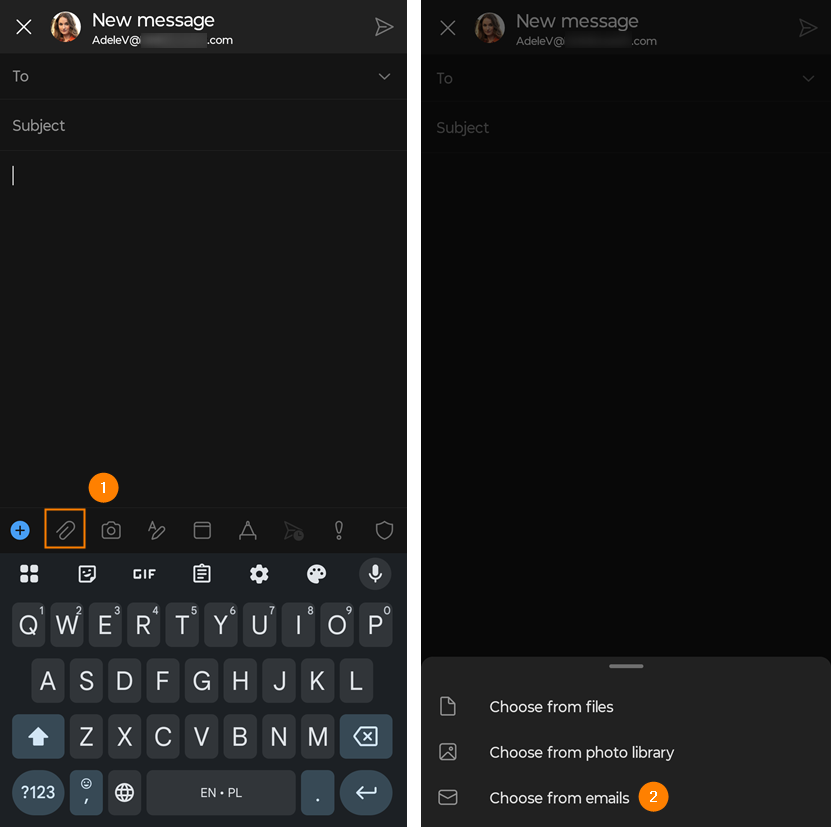
Fig. 8. Attaching an email in Outlook for Android.
- Select the message you want to export from Inbox or another folder and tap Attach (Fig. 9.). You can also check the message before attaching it by using the Preview option.
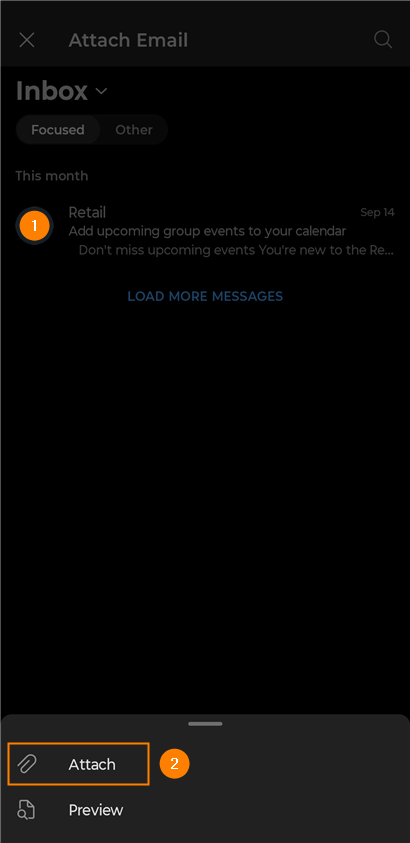
Fig. 9. Attaching an email to be exported as an .eml file.
- Send the email with the .eml file attached to your own email address (if you want to save the file on your device) or to the address of another recipient.
- To save the .eml file, open the message that contains it, tap the ellipsis (three dots) icon on the attachment, and select Device (on Android), as shown in Fig. 10., or Save to Device (on iOS). You can also select Storage account / Save to Account to upload the file to a cloud storage account.
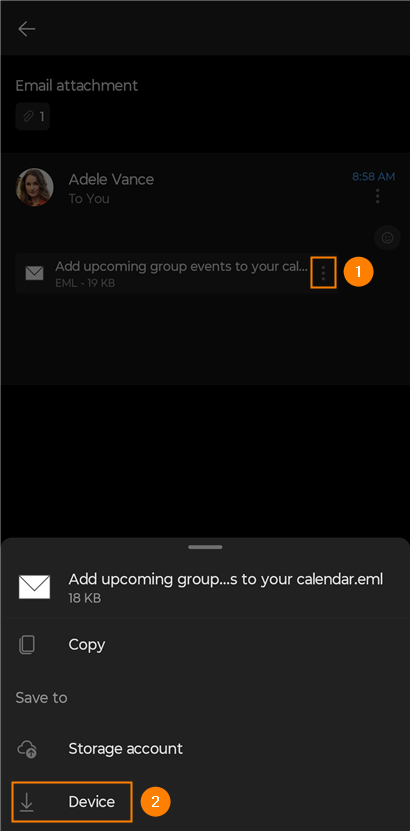
Fig. 10. Saving the .eml file in Outlook for Android.
Tip
If the Device / Save to Device option in your mobile Outlook app has been blocked by the administrator of your organization, you can download the attached .eml file using a desktop Outlook version.
Gmail
To export an email from Gmail to the EML format, you need to:
- Open the email message you would like to export.
- From the message menu, choose Show original (Fig. 11.).
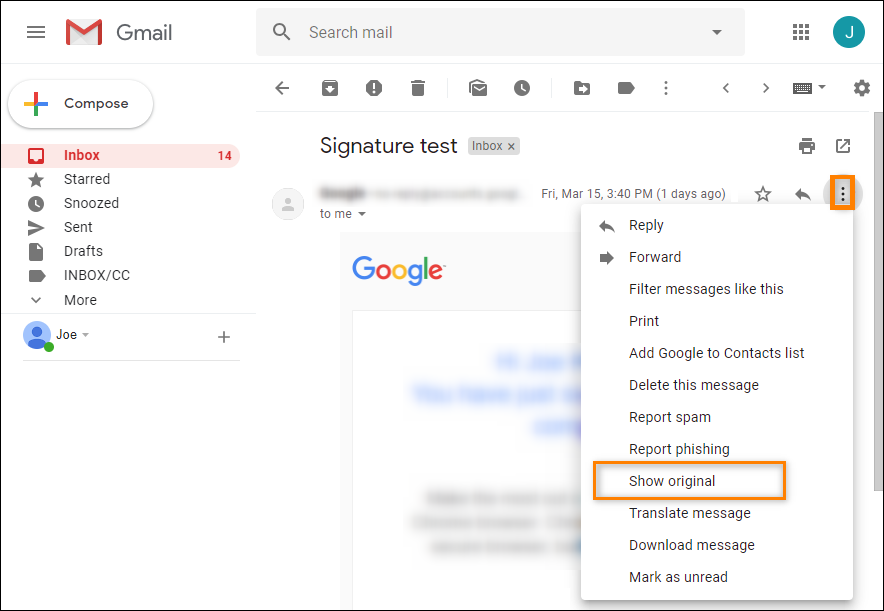
Fig. 11. Locating the Show original option in Gmail.
- This will open the full message as a text document in a separate window. Click Download Original (Fig. 12.).
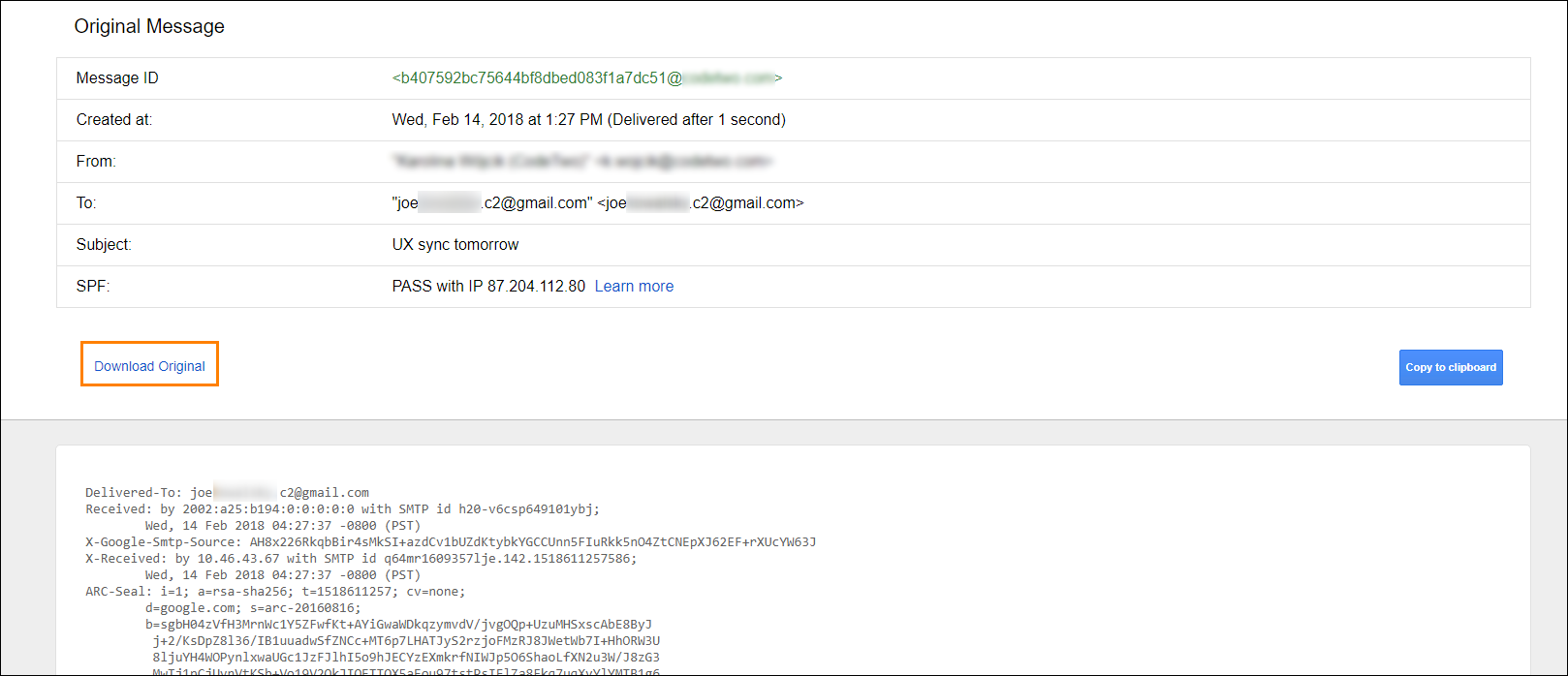
Fig. 12. Downloading an email from Gmail to a local drive.
- In the Save as window, select a download location, name the file the way you want, and click Save (Fig. 13.). Your email is now exported to the EML format.
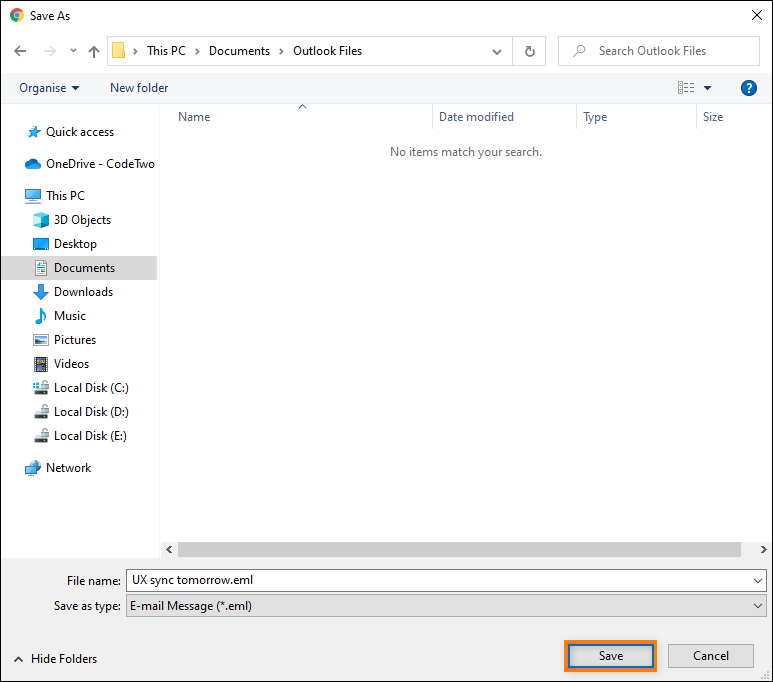
Fig. 13. Saving an email exported from Gmail as an EML file.
| Related products: | General (Microsoft 365, Exchange & more) |
| Categories: | How-To |
| Last modified: | October 1, 2025 |
| Created: | March 26, 2019 |
| ID: | 800 |






